
The Enduring Appeal of Evita
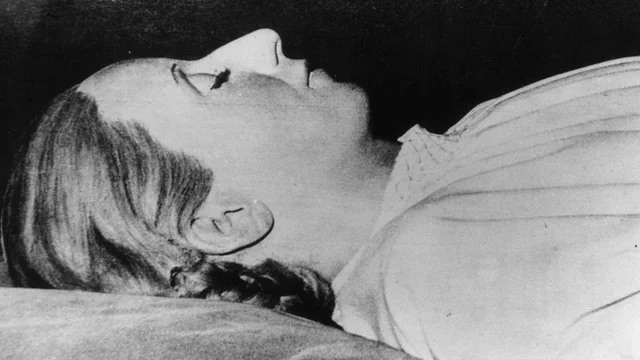
Eva on her deathbed.
I first saw Evita in an early 90s touring production at Ovens Auditorium. At the time, there was a classic cocktail of megamusical initiation for kids showing signs of the theatre bug. First, you started with Cats, and then Les Miz, only then adding Evita, with a chaser of Phantom at the end.
Of this core four curriculum, Evita most tenaciously clung to my imagination. The bombastic Madonna movie adaptation arrived later in the decade to rekindle the relationship, and then in 2012, with more life under my belt, I had the extraordinary privilege to serve on the directing team of the Broadway revival starring Ricky Martin and Elena Roger, the first Argentine woman to play the titular role.
In 2026, Evita is now having another major moment. A reportedly magnificent West End production, which went viral with the gutsy choice of having Rachel Zegler sing “Don’t Cry for Me, Argentina” to actual pedestrians outside the theatre vs. the paying crowds inside, is transferring to Broadway next year.
The balcony gimmick pointed to why this classic hybrid of musical theatre and opera is resoundingly of the current moment. With populist movements abounding globally, who better than Eva Perón to turn to those who paid big bucks to see her and say, “You know what? I’m not going to sing you my best song. I’m going to sing it to the people instead.”
To state the obvious, this show has achieved eternal status largely because the music is really damn good. Aching melodies tango with vibrant showstoppers, and intimate moments use intricate opera techniques to dig into the psychology of two of the 20th Century’s most unknowable politicians. If you go to the theatre to lose yourself in beautiful music and spectacular dance, fair enough, this one does that. 10 out of 10, no notes.
But to the earlier point, Evita stuck with me because it has more on its mind than Latin-infused escapism. Eva rose to political stardom in a tightly sealed state media culture, so reliable history is scarce, and one oral recollection varies widely from another. Was she a saint? Or a complicit parasite? Did she sleep her way to the top? Or is that simply misogyny erasing the grit and skill of a woman finding her power in a man’s world?
Her passions for working class and women’s rights were so much more than just rhetoric, but her achievements in these arenas existed in partnership with her husband’s repressive regime. To the American political vocabulary, Peronism blended far right and far left politics into one bespoke blend of control. To quote the “Waltz for Eva and Che,” “There is evil / ever around, fundamental / system of government quite incidental.”
Eva also died young. Like the subject of another of Lloyd Webber’s musicals, Jesus Christ Superstar, Eva rattled the world and then departed it too early, leaving her legacy open to debate, infatuation, slander, and wonder. How would we have reckoned with her if she’d survived a full arc?
As we search for political heroes in an age void of heart, Evita reminds us of the enthralling spell one human can cast over many. Whether the spell is for good or evil, it’s nice to remember that we are capable of such magic.